
How To Replace A Single Handle Shower Faucet?
Replacing a single handle shower faucet is a common bathroom upgrade that improves water control, resolves leaks, and refreshes the overall look of the shower space. While the task involves both mechanical and plumbing considerations, understanding the structure of a single handle shower faucet makes the process clearer and more manageable. This guide explains how to replace a single handle shower faucet step by step, focusing on compatibility, internal valve structure, and long-term performance. It also highlights how integrated solutions, such as DELICA shower systems, simplify replacement and ensure stable operation after installation.
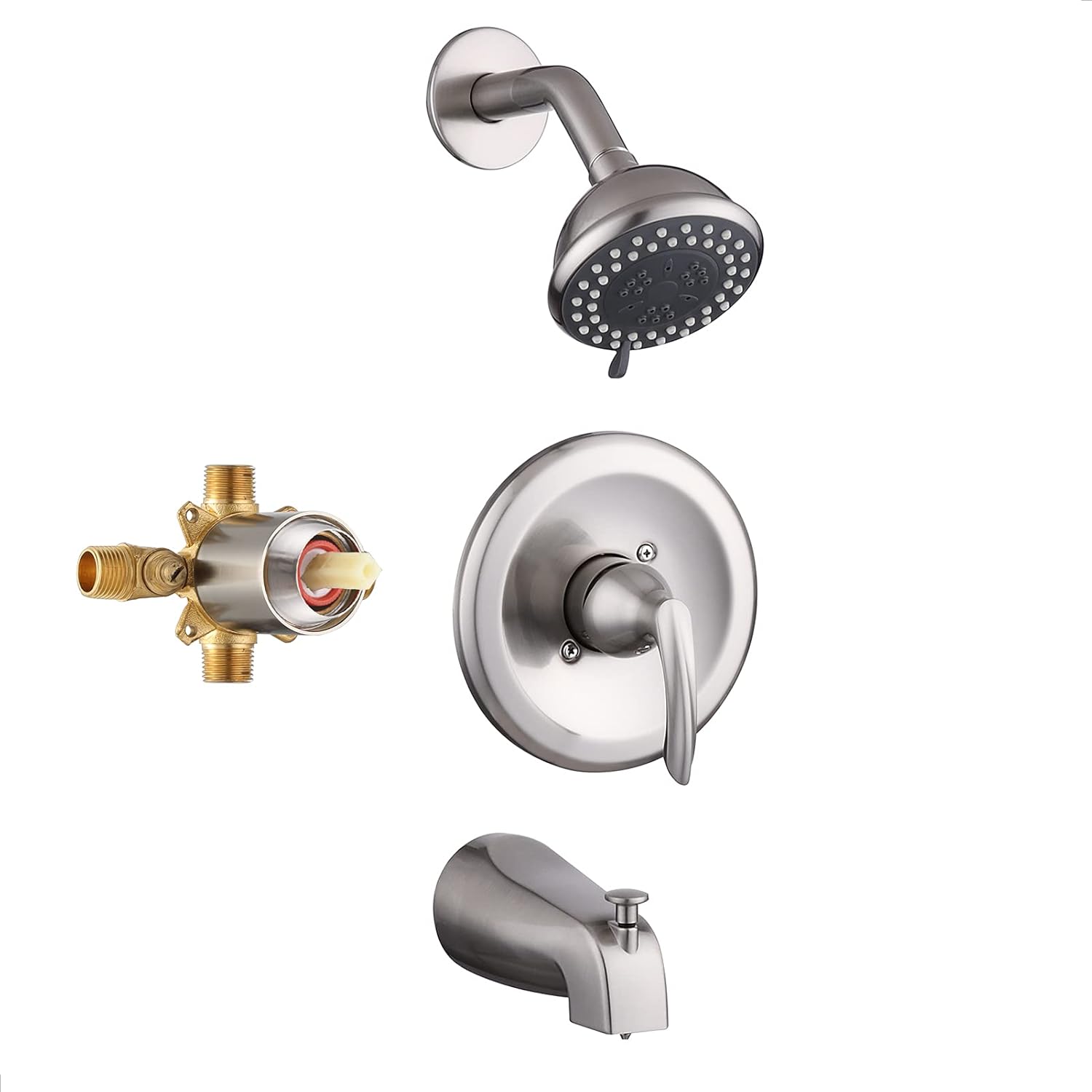
1. Understanding How a Single Handle Shower Faucet Works
A single handle shower faucet controls both water temperature and flow rate through one operating lever. Internally, it relies on a mixing valve or cartridge that blends hot and cold water before it reaches the shower outlet.
Unlike dual-handle systems, all adjustments are concentrated in one cartridge. This makes replacement more efficient but also requires accuracy when matching the new faucet to the existing valve type or rough-in depth. If the internal valve body remains in good condition, many replacements only require changing the trim set and cartridge. However, full replacement may be necessary when upgrading performance or correcting long-term leaks.
Modern shower systems from DELICA are engineered with standardized valve interfaces, allowing smoother transitions during replacement while maintaining precise temperature control.
2. Deciding Between Partial Replacement and Full Replacement
Before removing anything, it is important to determine whether you are replacing only the visible components or the entire valve assembly behind the wall.
Partial replacement typically includes:
Handle
Trim plate
Cartridge
Full replacement includes:
Valve body inside the wall
Internal water connections
New trim and handle
| Replacement Scope | When It Is Suitable | Notes |
|---|---|---|
| Trim & cartridge only | No wall leaks, valve body intact | Faster, less invasive |
| Full valve replacement | Persistent leaks, outdated valve | Requires wall access |
When upgrading to a complete DELICA shower system, a full replacement ensures optimal compatibility, flow balance, and long-term reliability.
3. Preparing the Shower Area Before Removal
Proper preparation prevents unnecessary damage and simplifies installation. The water supply must be shut off completely before any disassembly begins. In many homes, this requires closing the main water valve.
After shutting off the water:
Open the shower handle to release residual pressure
Cover the drain to prevent losing screws or clips
Protect tile surfaces to avoid scratches
Preparation is also the right time to measure wall depth and check pipe alignment. These factors affect how the new faucet trim will sit once installed, especially with modern concealed shower systems.
4. Removing the Existing Single Handle Faucet
Removal begins from the outside and works inward. First, detach the handle, which is usually secured by a hidden set screw. Once removed, the trim plate can be taken off to expose the valve.
At this stage, inspect the condition of the cartridge and valve body. If corrosion or mineral buildup is severe, replacement of the entire valve is recommended. Old cartridges may require special pullers, while newer designs slide out smoothly.
High-quality systems, such as those offered by DELICA, use corrosion-resistant materials and precision-fit cartridges, reducing the risk of damage during removal.
5. Installing the New Valve or Cartridge Correctly
Installation accuracy directly affects performance and leak prevention. When installing a new cartridge or valve body, alignment is critical. Hot and cold inlets must be correctly oriented, and the valve must sit flush within the wall cavity.
Key installation checks include:
Ensuring the valve is level
Matching inlet orientation with supply lines
Verifying correct rough-in depth
Incorrect depth leads to trim plates not sealing properly against the wall. Integrated shower systems from DELICA are designed with clear installation tolerances, helping installers achieve a clean, professional result.
6. Reassembling Trim and Handle Components
Once the internal components are secured, the trim and handle can be installed. This stage defines the visual finish of the shower.
The trim plate should sit evenly against the wall without gaps. The handle must move smoothly and return to the off position without resistance. If movement feels stiff, recheck cartridge seating before proceeding.
A well-designed single handle shower faucet provides consistent resistance across the entire temperature range. This balance is a key feature in DELICA shower systems, where ergonomic handle movement supports precise control.
7. Testing for Leaks and Temperature Stability
Testing is a critical step that should never be skipped. After turning the water supply back on, observe the valve and trim area carefully.
Test for:
Leaks behind the trim plate
Dripping when the handle is off
Smooth temperature transition from cold to hot
Allow the shower to run for several minutes to confirm stability. Any irregularity at this stage should be corrected immediately, before sealing or finishing surrounding surfaces.
8. Long-Term Performance and Upgrade Considerations
Replacing a single handle shower faucet is not only a repair task but also an opportunity to improve daily comfort. Modern systems offer better temperature stability, smoother operation, and improved water distribution.
Upgrading to a complete DELICA shower system provides:
Integrated valve and trim compatibility
Durable internal cartridges
Consistent performance under varying water pressure
A properly installed system reduces maintenance frequency and enhances the overall shower experience for years to come.
Conclusion
Knowing how to replace a single handle shower faucet allows homeowners and professionals to address leaks, improve performance, and modernize bathroom spaces efficiently. The key lies in understanding the internal valve structure, choosing the correct replacement scope, and ensuring precise installation. High-quality, integrated solutions like DELICA shower systems simplify this process by combining reliable engineering with installation-friendly design. With careful preparation and proper component selection, replacing a single handle shower faucet becomes a long-term upgrade rather than a recurring repair.
Previous: