
Why Is My Kitchen Faucet Dripping?
A dripping kitchen faucet is one of the most common household plumbing issues, yet it is often misunderstood. The steady drip may seem minor at first, but over time it leads to water waste, higher utility bills, and potential damage to internal components. Understanding why a kitchen faucet drips is the key to fixing it properly and preventing the problem from recurring. This article explains the main causes of faucet dripping, how different internal structures affect leakage, and what users should check before deciding on repair or replacement. It also highlights how well-engineered designs, such as DELICA kitchen faucets, are built to minimize dripping through precise internal control systems. You can view these products here: DELICA Kitchen Faucet Collection.
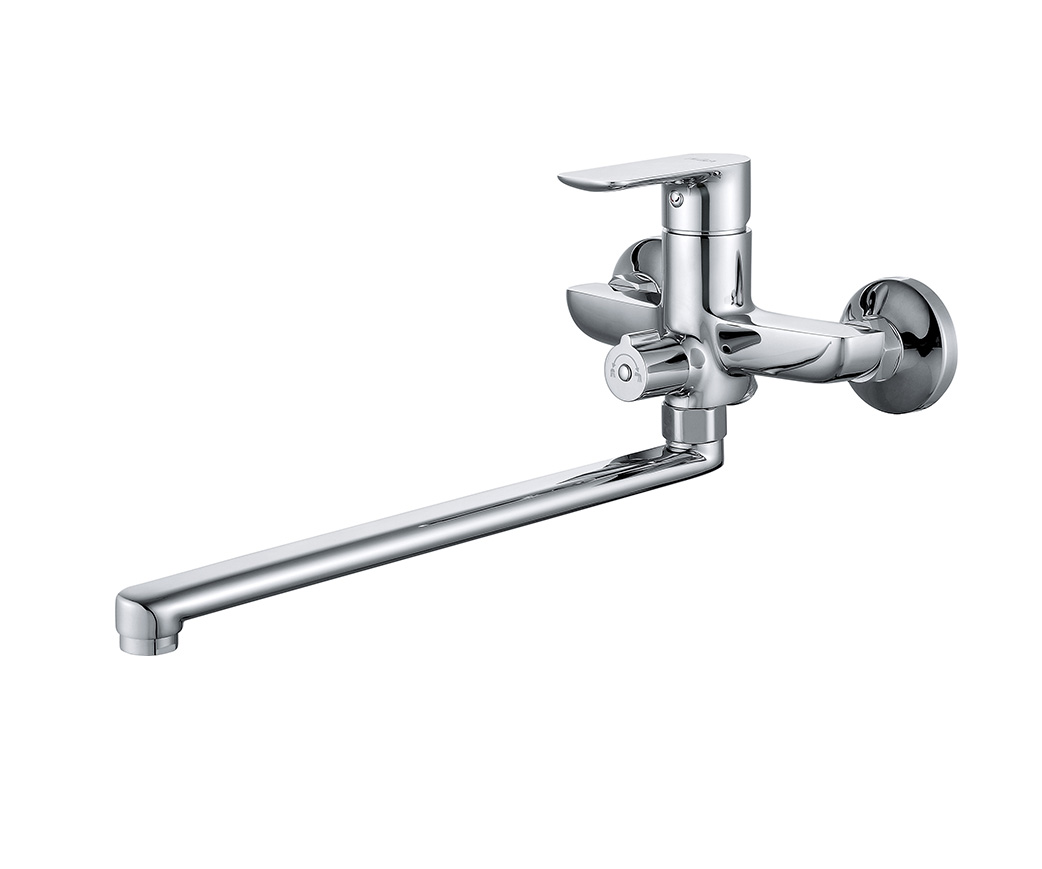
1. Worn Internal Seals and cartridges
The most common reason a kitchen faucet drips is wear inside the valve system. Every faucet relies on internal seals to stop water flow when the handle is turned off. Over time, these seals deteriorate due to constant pressure, temperature changes, and mineral exposure.
In modern single-handle faucets, the cartridge controls both temperature and flow. When the cartridge wears down, water can bypass the internal barrier even when the handle is fully closed. In older designs, rubber washers or O-rings perform a similar function and gradually lose elasticity. Once sealing surfaces are compromised, dripping becomes unavoidable unless the component is replaced.
High-quality faucets, such as those produced by DELICA, use precision-machined ceramic cartridges that maintain a tight seal for longer periods, significantly reducing the risk of dripping caused by internal wear.
2. Mineral Buildup and Hard Water Effects
Hard water introduces minerals such as calcium and magnesium into the faucet system. These minerals accumulate on internal parts, especially around cartridges, valve seats, and aerators.
Mineral buildup causes two main problems. First, it prevents internal components from closing completely, leaving microscopic gaps where water can escape. Second, buildup increases friction inside the cartridge, accelerating wear. Even a well-designed faucet may begin dripping sooner if hard water is not managed.
Regular cleaning and descaling slow this process, but long-term resistance depends on material choice and surface finish. DELICA kitchen faucets are designed with corrosion-resistant finishes and smooth internal channels that reduce mineral adhesion and help maintain consistent sealing performance.
3. Incorrect Water Pressure or Pressure Fluctuations
Water pressure that is too high places constant stress on faucet components. When pressure exceeds recommended limits, internal seals and cartridges are forced to absorb greater load, which can deform sealing surfaces over time.
Pressure-related dripping often occurs intermittently. The faucet may appear fine at first, then start dripping during nighttime hours when household demand drops and pressure rises. This type of drip is often mistaken for random failure.
Pressure-balanced faucet designs help regulate internal flow. Many DELICA kitchen faucet models are engineered to operate smoothly across a wide pressure range, protecting internal components from excessive stress.
4. Loose or Misaligned Internal Components
Not all dripping comes from worn parts. In some cases, internal components become slightly loose or misaligned due to vibration, repeated handle movement, or incomplete installation.
Common examples include:
A cartridge not seated fully inside the valve body
Retaining nuts that have loosened over time
Handle assemblies that do not return the cartridge to the fully closed position
When alignment is off by even a small margin, water can pass through continuously. This is especially common in pull-down kitchen faucets, where hose movement introduces additional motion at the base.
Well-designed faucet bodies, like those used in DELICA kitchen faucets, feature reinforced housings that keep cartridges firmly positioned, reducing the likelihood of alignment-related dripping.
5. Differences Between Faucet Types and Drip Causes
Different faucet designs experience dripping for different reasons. Understanding your faucet type helps narrow down the cause quickly.
| Faucet Type | Typical Drip Cause | Notes |
|---|---|---|
| Single-handle faucet | Worn ceramic cartridge | Most common modern design |
| Double-handle faucet | Damaged washer or valve seat | Often drips from one side |
| Pull-down faucet | Cartridge wear or hose tension | Base movement increases stress |
| Touch or sensor faucet | Solenoid valve or cartridge issue | Electronic components involved |
Choosing a faucet with a robust internal structure reduces the frequency of these issues. DELICA kitchen faucets are designed to support both traditional and modern configurations with reliable internal sealing systems.
6. Dripping After Faucet Is Turned Off Completely
A faucet that drips even after being fully shut off indicates a sealing failure rather than a usage error. This is not caused by improper handle positioning, but by internal leakage past the valve mechanism.
Typical symptoms include:
Slow, steady dripping from the spout
Dripping that continues regardless of handle adjustment
Water pooling in the sink overnight
This type of drip should not be ignored, as it suggests progressive internal wear. Replacing worn components early prevents further damage to the valve body and extends faucet lifespan.
7. When Repair Is Enough and When Replacement Is Better
While many dripping issues can be repaired, there are situations where replacement is the more reliable solution.
Repair is usually sufficient when:
The faucet is relatively new
Replacement cartridges or seals are available
The valve body is undamaged
Replacement becomes the better option when:
The faucet is several years old
Replacement parts are difficult to source
The valve body shows corrosion or internal damage
Modern faucets, such as those in the DELICA Kitchen Faucet Collection, incorporate improved cartridge technology, reinforced housings, and smoother flow channels, making them more resistant to long-term dripping issues.
8. How Faucet Design Influences Drip Prevention
Not all faucets are built with the same internal standards. Drip resistance depends heavily on engineering decisions made during design and manufacturing.
Key features that reduce dripping include:
Ceramic disc cartridges with tight tolerances
Solid brass or stainless steel valve bodies
Smooth internal surfaces that resist mineral buildup
Stable mounting systems that prevent internal misalignment
DELICA integrates these features into its kitchen faucet designs, helping users achieve long-term reliability and reduced maintenance.
Conclusion
A dripping kitchen faucet is usually caused by worn internal seals, mineral buildup, pressure issues, or internal misalignment. While the problem may appear small, ignoring it leads to wasted water and accelerated component wear. Identifying the root cause early allows for effective repair or timely replacement. Choosing a well-engineered faucet with durable internal components significantly reduces the likelihood of dripping. For users seeking long-term reliability, refined internal control, and consistent performance, explore the DELICA Kitchen Faucet Collection, designed to meet modern kitchen demands with precision and durability.