
How To Fix A Loose Kitchen Tap
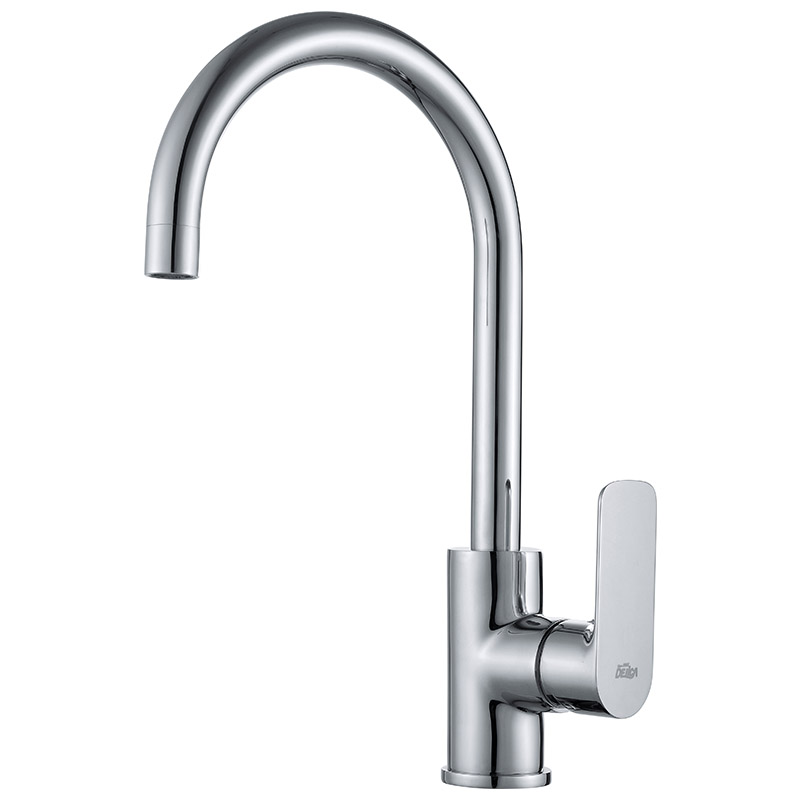
A loose kitchen tap is more than a minor annoyance. Over time, movement at the base can damage the countertop, loosen internal connections, and eventually cause leaks beneath the sink. Fortunately, fixing a loose kitchen tap is usually straightforward when the correct steps are followed. This guide explains why kitchen taps become loose, how to diagnose the problem, and how to secure the tap properly for long-term stability. It also highlights structural features found in DELICA kitchen faucets, which are engineered to reduce loosening through reinforced mounting systems. You can explore these products here: DELICA Kitchen Faucet Collection.
1. Why Kitchen Taps Become Loose Over Time
Kitchen taps experience frequent daily use, including side-to-side rotation, pull-down movements, and temperature adjustments. These repeated actions gradually affect the mounting components beneath the sink.
Common causes include:
Natural vibration from regular use
Mounting nuts that were not fully tightened during installation
Compression of rubber or silicone gaskets over time
Thin sink material or flexible countertops
Single-hole installations carrying higher rotational stress
High-quality faucets, such as those produced by DELICA, use thicker mounting plates and reinforced shanks to minimize these issues, even in demanding kitchen environments.
2. Identifying the Type of Loose Kitchen Tap
Before making adjustments, it is important to understand how the tap is mounted. Different faucet designs require different tightening methods.
Common kitchen tap configurations
Single-handle faucet: Often mounted through one hole, more prone to rotation if not secured properly
Double-handle faucet: Usually mounted through multiple holes, offering greater stability
Pull-down or pull-out faucet: Additional hose movement can increase base stress
Deck-mounted faucet: Secured from underneath the sink with a locking nut or bracket
Knowing the configuration helps determine which components need adjustment.
3. Tools and Preparation Before Fixing the Tap
Access beneath the sink is often limited, so having the right tools makes the process faster and safer.
Common tools required
Adjustable wrench or basin wrench
Screwdriver (flat or Phillips, depending on faucet design)
Flashlight or headlamp
Towel or mat for working under the sink
Before starting, turn off the water supply valves and clear the cabinet area to ensure safe movement.
4. Tightening the Mounting Nut Under the Sink
In most cases, a loose kitchen tap is caused by a mounting nut that has loosened beneath the sink. This nut holds the faucet body firmly against the sink surface.
Step-by-step tightening process
Locate the mounting nut or fixing bracket directly beneath the faucet base.
Hold the faucet upright from above to keep it aligned correctly.
Use a basin wrench to tighten the nut clockwise.
Tighten gradually and evenly to avoid damaging threads.
Test the faucet movement from above after each adjustment.
DELICA kitchen faucets are designed with ergonomic mounting systems that allow secure tightening even in confined cabinet spaces.
5. When the Tap Uses a Mounting Plate or Fixing Bracket
Some modern kitchen taps use a mounting plate or stabilizing bracket instead of a single nut. These systems distribute pressure across a wider area, improving stability.
What to check in bracket-based systems
Confirm that all screws are evenly tightened
Ensure the plate sits flush against the underside of the sink
Check for misalignment caused by uneven tightening
Verify that rubber gaskets are not twisted or compressed incorrectly
Reinforced brackets are a standard feature in many DELICA kitchen faucet models, improving long-term resistance to movement.
6. Checking the Faucet Base and Countertop Surface
Sometimes the problem is not the nut itself, but the surface the faucet is mounted on. Thin stainless steel sinks or laminate countertops can flex slightly.
Signs of surface-related looseness
The faucet tightens but becomes loose again after use
The sink surface bends slightly when pressure is applied
Gaskets appear worn or uneven
In these cases, adding a stabilizing plate or replacing worn gaskets can significantly improve rigidity.
7. Tightening the Handle or Spout Assembly
If the base feels solid but the tap still moves, the looseness may come from the handle or spout connection rather than the mounting hardware.
Typical adjustment points
Set screws hidden beneath decorative caps
Retaining screws inside the handle assembly
Spout collar connections on swivel taps
Use a screwdriver or Allen key to secure these components according to the manufacturer’s specifications.
8. Preventing Future Loosening
Once the kitchen tap is secure, a few preventive steps can help maintain stability over time.
Avoid excessive force when rotating the spout.
Periodically inspect mounting nuts during routine cleaning.
Ensure hoses beneath the sink are not pulling against the faucet body.
Choose faucets with reinforced internal structures.
DELICA kitchen faucets are engineered with solid brass bodies and precision mounting systems that reduce the likelihood of recurring looseness.
9. Comparison of Common Mounting Systems
The table below summarizes different mounting approaches and their resistance to loosening:
| Mounting Type | Stability Level | Common Applications |
|---|---|---|
| Single nut mount | Medium | Standard single-hole taps |
| Bracket + nut system | High | Pull-down kitchen faucets |
| Full mounting plate | Very high | Heavy-duty or commercial-style faucets |
| Multi-hole deck mount | High | Traditional double-handle faucets |
Selecting a faucet with a robust mounting system significantly reduces maintenance needs.
10. When to Replace Instead of Repair
If tightening no longer solves the issue, replacement may be the safest option.
Consider replacement if:
Threads are stripped or damaged
The faucet body shows signs of metal fatigue
Internal seals are worn beyond repair
The sink or countertop has permanent deformation
Modern designs from DELICA offer improved mounting technology, making them an effective upgrade from older models.
Conclusion
Fixing a loose kitchen tap usually involves tightening the mounting hardware beneath the sink, securing handle connections, or stabilizing the mounting surface. With the right tools and careful adjustment, most issues can be resolved quickly without professional assistance. Choosing a well-engineered faucet with reinforced mounting components further reduces the chance of future loosening. For durable designs built to withstand daily kitchen use, explore the DELICA Kitchen Faucet Collection, where stability, performance, and long-term reliability are built into every product.
Previous: Why Is My Kitchen Faucet Dripping?