
How To Install A Rain Shower Head?
Installing a rain shower head is one of the simplest upgrades to elevate daily comfort and create a spa-like environment at home. Although installation varies depending on bathroom layout, plumbing structure and shower head design, a methodical approach ensures both reliable performance and long-term durability. This guide explains each stage of installation in detail and highlights the advantages of choosing professionally engineered fixtures such as DELICA’s rain shower systems. Their refined structure, corrosion-resistant build, and balanced water dispersion allow for smooth installation across standard residential and commercial layouts. You can explore these models here: DELICA Rain Shower Collection.
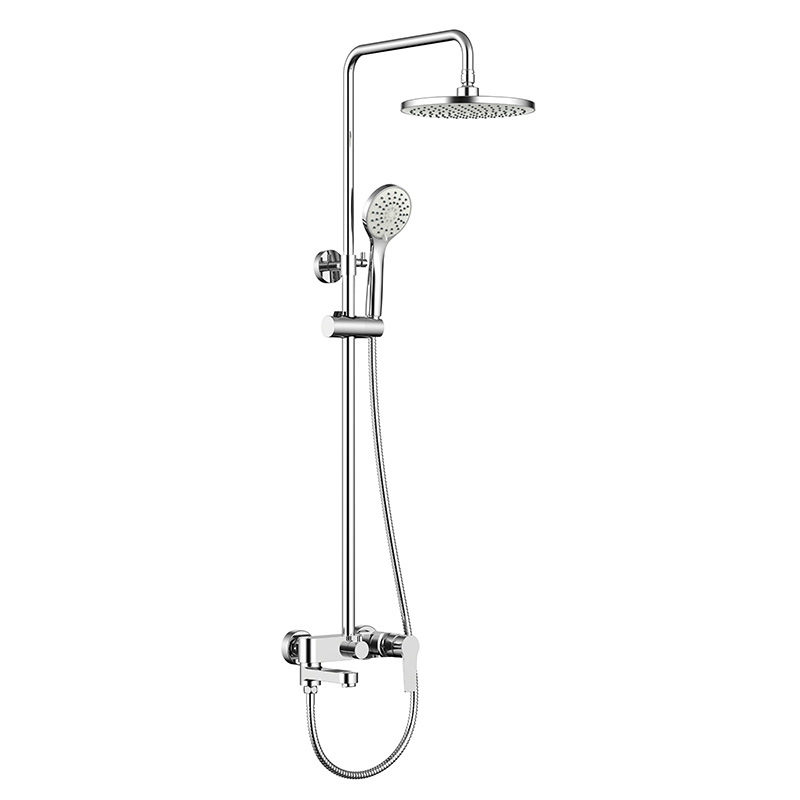
1. Preparing the Installation Area
A successful installation begins with assessing the existing plumbing line, wall space and ceiling clearance. Preparation reduces the risk of leaks or misalignment and ensures optimal rainfall performance.
Before installation, most users check the following:
Water supply shut-off accessibility
The distance between shower outlet and desired mounting height
Whether the current shower arm is compatible with a rain shower plate
Wall or ceiling condition for mounting stability
DELICA rain shower heads are designed with universal connectors, allowing them to fit most standard shower arms without requiring structural modifications.
2. Choosing the Correct Mounting Point
Selecting the proper location determines where the rainfall lands and directly affects the bathing experience. Installation height depends on user height, ceiling design and the size of the shower plate.
Wall-mounted installations require selecting a projection angle allowing the rainfall to fall at the center of the enclosure.
Ceiling-mounted installations focus on symmetrical positioning above the showering area.
Extended arms provide added reach for placing the head where plumbing cannot be relocated.
DELICA’s rain shower heads maintain even water coverage regardless of mounting type, making them suitable for both renovations and new-build environments.
3. Removing the Old Shower Head
The removal process is straightforward but must be done carefully to avoid damaging threads or the shower arm.
Turn off the water supply.
Wrap a cloth around the old shower head to protect the finish.
Use a wrench to rotate counter-clockwise until the head detaches.
Inspect the threading for debris or corrosion.
A clean and undamaged thread ensures the new DELICA fixture can be tightened securely without compromising sealing performance.
4. Attaching or Replacing the Shower Arm
Some installations require a new arm to achieve the correct height or distance from the wall. Shower arms vary in shape, length and curvature, which affects where the rainfall lands.
Considerations when selecting an arm:
Straight arms for ceiling-mounted designs
Curved or L-shaped arms for wall installations
Extended arms for large rain shower plates
Stainless steel arms to prevent corrosion
DELICA supplies high-strength stainless steel arms designed to hold the weight of wide shower plates without sagging, ensuring long-term alignment.
5. Applying Thread Seal Tape
To prevent leaks, thread seal tape is applied to the shower arm threads. Proper taping improves the seal and prevents water seepage behind the wall or ceiling.
A typical setup involves:
Wrapping the tape clockwise around the threads
Ensuring two to three layers of coverage
Avoiding overlap into the water passage
This preparation is essential for achieving a watertight fit with precision-machined fixtures such as DELICA’s connectors.
6. Installing the Rain Shower Head
The core installation step involves securing the shower head and adjusting its angle or rotation depending on design.
Most users follow these steps:
Screw the rain shower head onto the taped shower arm.
Hand tighten until snug.
Use a cloth and wrench to secure the head without scratching its finish.
Adjust the tilt or swivel joint to match the desired direction.
DELICA rain shower models use reinforced swivel mechanisms that allow fine positional adjustments while maintaining internal sealing integrity.
7. Checking for Leaks and Adjusting Water Flow
After installing the shower head, it is necessary to test water flow and inspect all joints.
Evaluation points:
Whether water drips from the connection point
Whether the rainfall pattern forms evenly across the shower plate
Whether flow pressure meets expectations
If minor leaks occur, unscrew the head, reapply thread tape and secure it again. DELICA’s internal flow channel design helps maintain uniform rainfall even in homes with variable water pressure.
8. Optional: Installing a Shower Arm Extension or Height Adjustment
Rain shower heads offer the best performance when placed at an optimal height. If the shower arm is too low or too close to the wall, extensions can correct the installation.
Reasons to add a shower arm extension include:
Increasing overhead clearance
Improving rainfall angle
Better accommodating tall users
Aligning the head at the center of the enclosure
DELICA’s lightweight stainless steel components integrate seamlessly with extensions without stressing the connection threads.
9. Maintenance Steps After Installation
Routine maintenance prolongs the lifespan of the shower head and maintains consistent rainfall performance.
Common maintenance practices include:
Wiping the surface after each use to prevent water stains
Descaling silicone nozzles periodically
Inspecting the connection joint for buildup
Cleaning the internal sieve if the flow begins to weaken
DELICA rain shower heads use anti-limescale silicone outlets that reduce clogging and make cleaning easier.
10. Installation Differences: Wall-Mount vs. Ceiling-Mount
The installation process varies slightly depending on how the rain shower head is supported. The following table provides a simplified comparison:
| Installation Type | Tools Required | Mounting Steps | Ideal Application |
|---|---|---|---|
| Wall-Mount | Wrench, tape | Replace arm, connect head, adjust angle | Standard bathrooms |
| Ceiling-Mount | Drill (if new plate), screws, brackets | Fix mount to ceiling, attach head, align position | Luxury or large shower rooms |
| Arm Extension | Wrench, tape | Insert extension between arm and head | Homes with low outlets |
DELICA offers both wall and ceiling configurations to ensure compatibility with diverse bathroom designs.
11. Final Performance Check
Once installation is complete, run the shower for several minutes to observe the water pattern. A properly installed rain shower head produces a consistent rainfall effect with no irregular jets or excessive splashing. Both pressure-balanced designs and large spray plates—features found in DELICA’s collection—help create a smooth, natural rainfall feel.
To explore installation-friendly models engineered for stability, corrosion resistance and refined rainfall dispersion, visit:
DELICA Rain Shower Collection
Conclusion
Installing a rain shower head is a manageable process that greatly improves the showering environment when completed with careful preparation and correct mounting. The key steps include securing the right height, selecting the appropriate shower arm, applying proper sealing tape and testing flow performance. With well-designed fixtures such as those from DELICA, installation becomes easier, and long-term performance remains consistently reliable.
Previous: How To Fix A Loose Kitchen Tap