
Is It Hard To Replace A Kitchen Faucet?
Replacing a kitchen faucet is one of the most common homeowner upgrades, yet many people still hesitate because they are unsure whether the process is difficult or requires professional assistance. This article explains in detail how challenging the replacement actually is, what factors influence the difficulty, and how to carry out the installation step by step. The discussion also highlights the advantages of choosing a well-designed kitchen faucet—such as those available from DELICA kitchen faucet—to make replacement smoother and more efficient.
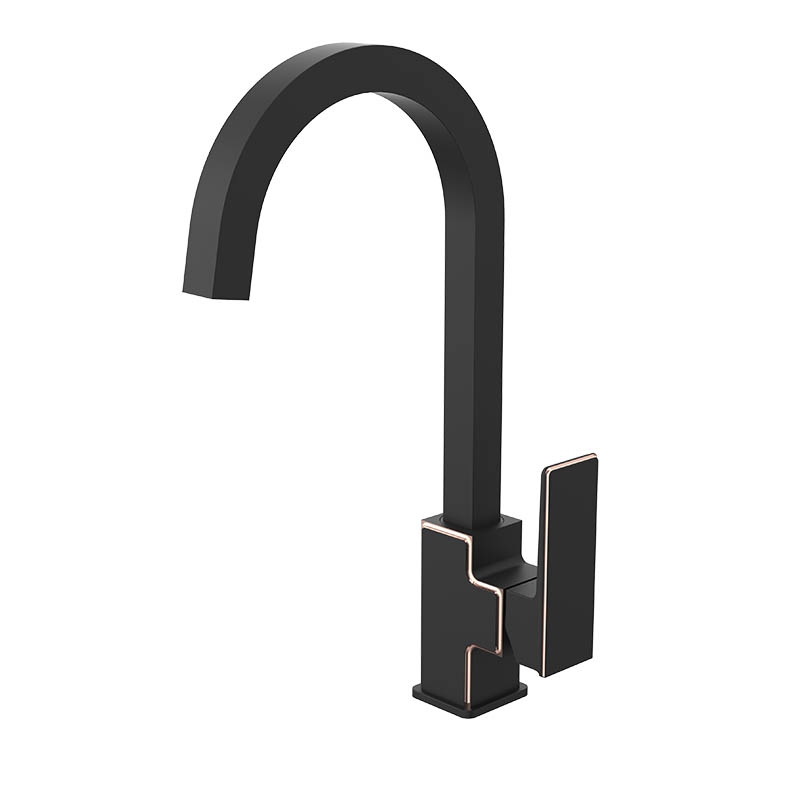
Understanding Whether Replacing a Kitchen faucet Is Difficult
For most homeowners, replacing a kitchen faucet is moderately easy, provided the right tools, a bit of preparation, and basic understanding of plumbing connections are present. The process does not usually require specialized skills. Modern kitchen faucets, especially high-quality stainless steel faucets from brands like DELICA, are designed for easy installation with standardized mounting hardware and simplified connector systems.
However, difficulty can increase depending on several site conditions:
The age of the old faucet
Rust or corrosion around the mounting area
Tight or hard-to-reach spaces under the sink
Unstable or damaged sink surfaces
Whether the plumbing lines are outdated
In ideal conditions—stable countertop, clean mounting holes, no corrosion—the replacement process is straightforward. When dealing with older homes, additional cleaning, loosening adhesive, and handling brittle pipes may add time, but the task remains manageable.
The key to reducing installation challenges is choosing a faucet designed for user-friendly replacement. DELICA faucets typically include reinforced mounting kits, flexible connectors, and installation structures that require fewer tools, making the entire process smoother.
how to replace a kitchen faucet: A Detailed Guide
Replacing a kitchen faucet involves several clear steps. The process is most efficient when organized methodically, starting from workspace preparation and ending with leak testing. The instructions below follow a logical sequence ensuring accuracy and ease.
Step 1: Prepare the Workspace
Begin by clearing out the cabinet under the sink. Good visibility and movement space are essential. Have tools ready: an adjustable wrench, pliers, a basin wrench if necessary, a cloth, and a small bucket to catch any leftover water. Turning off the water supply before beginning is crucial—usually done via shut-off valves located under the sink.
Step 2: Disconnect the Water Lines
After shutting off the valves, open the faucet to release pressure. Then disconnect both hot and cold water lines using a wrench. Some pipes may be flexible hoses, while older systems might have rigid copper pipes. When upgrading to modern faucets such as those from DELICA, flexible braided hoses simplify reconnection.
Step 3: Remove the Old Faucet
Older faucets are often secured with mounting nuts beneath the sink. These can be loosened by hand, wrench, or basin wrench depending on the space. Corrosion can make removal more difficult; in these cases, applying gentle penetrating oil helps loosen stuck hardware. Once the mounting nuts are removed, lift the faucet straight out from above the sink.
Step 4: Clean the Mounting Surface
Old faucets leave behind mineral deposits, silicone residue, or dirt. A clean, flat surface ensures proper sealing of the new faucet. Wiping the area with mild cleaner and a cloth prepares the sink for the new installation.
Step 5: Position the New Faucet
Modern faucets are designed to align easily with standard sink mounting holes. Insert the faucet hoses and shank through the center hole, keeping the faucet straight and stable. DELICA faucets often include thickened mounting bases to increase stability and prevent wobbling once installed.
Step 6: Secure the Faucet from Below
From under the sink, attach the mounting hardware included with the faucet. Most modern systems use a bracket and nut tightened by hand or wrench. The goal is to keep the faucet firmly in place without overtightening. A secure base ensures long-term durability and prevents movement during use.
Step 7: Reconnect Hot and Cold Water Lines
Attach the supply lines to the appropriate valves, ensuring correct orientation of hot and cold. Modern flexible hoses make this step easier because they accommodate differences in valve positioning. DELICA faucets generally include reinforced hoses tested for durability and pressure resistance.
Step 8: Turn On the Water and Test for Leaks
Open the shut-off valves slowly and observe all connections. If any moisture is present, gently tighten the affected connection. After water pressure stabilizes, turn on the faucet and test every function, including hot/cold mixing and sprayer operation if applicable.
This completes a typical installation. Under standard conditions, the entire replacement process can take 30 to 60 minutes, depending on skill level and faucet type.
Additional Considerations When Replacing a Kitchen Faucet
Even though installation is manageable, a few important considerations ensure a smoother experience and long-lasting results.
Older Plumbing Lines
In older homes, existing supply lines may be brittle or corroded. Replacing them while installing a new faucet is often a smart preventive measure. New hoses ensure consistent flow and lower the risk of leaks.
Mounting Hole Compatibility
Faucets come in different configurations—single-hole, three-hole, deck-mount, pull-out, or pull-down. DELICA’s designs typically fit standard sink structures, and optional deck plates are available to adapt three-hole sinks to single-hole faucets.
Countertop Thickness
Very thick countertops may require extended mounting hardware. Many modern faucets include longer shanks to solve this, but checking compatibility beforehand avoids unexpected installation delays.
Ensuring Proper Seal
Some faucets use rubber gaskets, while others may require silicone sealant. DELICA faucets usually include gasket systems that provide tight sealing without additional adhesives, minimizing mess and installation effort.
Checking Water Pressure
If pressure seems low after installation, debris inside the aerator may be the cause. Removing and rinsing the aerator after first-time installation often restores full performance.
Common Questions About Replacing a Kitchen Faucet
1. Do I need a professional plumber?
Not necessarily. Many homeowners successfully replace kitchen faucets themselves. If the plumbing system is outdated or damaged, professional assistance may be helpful, but for standard installations, DIY replacement is achievable.
2. How long does the installation take?
Typically between 30 minutes and 1 hour for most modern faucets. Complications like corrosion, tight spaces, or damaged valves can extend the time.
3. Should supply lines be replaced at the same time?
It is recommended if the existing lines show signs of wear. Most new faucets, including DELICA models, come with high-quality hoses that enhance performance.
4. What tools are required?
A wrench, pliers, and possibly a basin wrench for tight spaces. Some installations can be done mostly by hand if the mounting system is designed simply.
5. Can I install a pull-out or pull-down faucet the same way?
Yes. The steps are similar. These faucets have additional spray hoses and counterweights, but installation remains straightforward.
Summary
Replacing a kitchen faucet is not as difficult as many people assume. With proper preparation and a clear step-by-step process, most homeowners can complete the task efficiently. Modern designs—such as the stainless steel faucets available from DELICA—are engineered for easy installation, stable mounting, and reliable long-term operation.
Understanding how to disconnect old lines, mount the new faucet, and check for leaks ensures a smooth replacement experience. By following the recommended practices and considering key installation factors, upgrading your kitchen faucet becomes a simple, practical improvement that enhances both function and appearance.