
How To Clean A Rain Shower Head
A rain shower head is designed to deliver a calming, rainfall-like bathing experience, offering wide coverage and a relaxing water flow. However, over time, mineral deposits, soap residue, and trapped debris can accumulate inside the nozzles, reducing water pressure and affecting spray patterns. Cleaning the shower head regularly is essential to maintain performance and prevent long-term clogging. Fortunately, with proper care, a rain shower head can stay in excellent condition for years.
For homeowners who want durable, easy-to-maintain rain shower systems, DELICA offers a wide range of high-quality designs crafted with anti-clog silicone nozzles and corrosion-resistant finishes. You can explore them here: DELICA Rain Shower Collection. These features make cleaning simpler and help ensure a consistent rainfall experience.
Below is a complete guide explaining how to clean a rain shower head effectively, combining practical methods with maintenance insights that prolong the lifespan of the shower system.
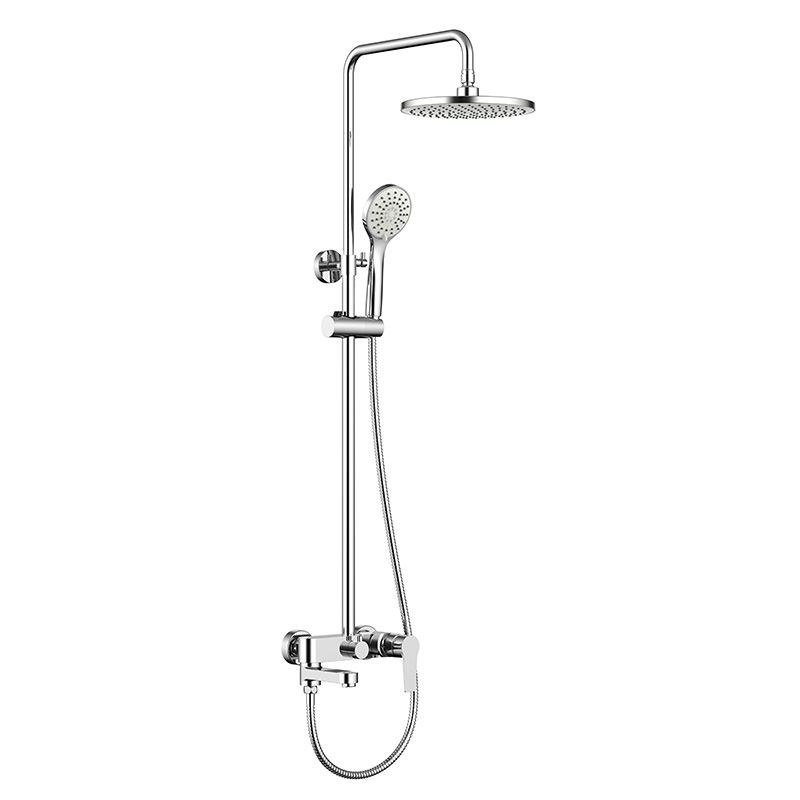
1. Understanding Why Rain Shower Heads Need Regular Cleaning
Unlike traditional shower heads, rain shower heads have a larger spray plate and more nozzles. Because they deliver water across a wider surface, even small mineral deposits can affect the spray pattern. Hard water minerals such as calcium and magnesium are the most common culprits of nozzle blockage. When water evaporates, these minerals stay behind and gradually harden.
The accumulation process is slow but unavoidable. Even households with water softeners experience minimal buildup over time. This buildup leads to:
Uneven water flow
Reduced pressure
Water spraying sideways
Certain nozzles completely blocked
Another factor is soap residue. When hot water vapor mixes with shower products, a thin film can settle on the shower head surface. If the nozzles are not cleaned regularly, this film traps debris inside.
DELICA rain shower heads are engineered with flexible silicone nozzles that resist mineral adhesion, making deposits easier to remove. Still, proper cleaning enhances their performance and prolongs their lifespan.
2. Preparing for Cleaning
Before cleaning, preparing the right tools makes the process more efficient. The cleaning method will vary depending on whether the shower head is detachable or fixed to the wall or ceiling. Most rain shower heads can be cleaned in place, but a deeper clean is possible when the shower head can be removed.
To prepare, ensure the shower is turned off completely. If possible, switch the water heater to standby mode to prevent accidental hot water discharge.
Recommended tools include:
A soft cloth or microfiber towel
A bowl or bucket (for soaking if removable)
White vinegar or citric acid
An old toothbrush
A needle or nozzle-cleaning pin
Rubber gloves
Baking soda (optional for deeper cleaning)
These simple materials work effectively on stainless steel and brass rain shower heads, including those offered by DELICA. Having all tools ready reduces the time needed and makes the cleaning process smoother.
3. Cleaning Mineral Deposits with Vinegar
Vinegar is one of the most effective natural cleaners for dissolving mineral buildup. Its acetic acid content softens calcium and magnesium deposits without damaging metal surfaces. For shower heads that cannot be easily removed, the vinegar bag method works well. For removable shower heads, soaking allows vinegar to reach inner channels more thoroughly.
When the shower head is fixed
A plastic bag filled with vinegar can be tied around the shower head, submerging the spray plate for several hours. This loosens deposits inside the nozzles.
When the shower head can be detached
A full soak inside a bucket breaks down more stubborn buildup.
The table below summarizes the advantages of each cleaning approach:
| Cleaning Method | Best For | Advantages | Time Required |
|---|---|---|---|
| Vinegar Bag Method | Fixed rain shower heads | Easy, no removal required | 2–3 hours soaking |
| Full Soak | Removable shower heads | Deep cleaning, reaches internal chambers | 4–6 hours soaking |
| Vinegar + Baking Soda | Heavy buildup | Extra dissolving power, effective on old residue | 30–60 minutes reaction |
After soaking, rinsing the shower head with warm water helps remove loosened minerals. Silicone nozzles on DELICA shower heads respond well to vinegar cleaning, as vinegar softens mineral films quickly without damaging the soft material.
4. Removing Clogs from Nozzles
Even after soaking, small mineral particles may remain inside individual nozzles. To restore a perfect rainfall spray, manual cleaning may be necessary. Most rain shower heads today use soft silicone nozzles that can be gently pressed or massaged to break up hidden deposits. DELICA’s models are designed with this anti-clog structure to simplify maintenance.
To clean the nozzles effectively:
Press or rub each nozzle with your fingers to loosen deposits
Use an old toothbrush for scrubbing the spray plate
Insert a cleaning pin or needle only if necessary for stubborn blockages
Rinse thoroughly with warm water to clear loosened residue
It is important not to use metal tools aggressively, as they may scratch the surface or damage the nozzle membrane. Gentle cleaning ensures the nozzles remain soft and flexible, allowing them to deflect mineral buildup over time.
If the shower head has extremely uneven spray even after massaging, repeated soaking may be necessary. Consistent cleaning helps prevent debris from accumulating again in the future.
5. Preventing Future Buildup and Maintaining Performance
Keeping a rain shower head clean is easier when preventive measures are taken. Many homeowners clean only when the spray flow becomes noticeably weak, but regular light maintenance helps the shower head stay at optimal performance for much longer.
One preventive method is to wipe the shower head briefly after showers, especially if your home has hard water. Another method is using water filtration or conditioning systems to reduce mineral concentration. Although filtration does not eliminate minerals entirely, it significantly slows buildup.
For households using DELICA rain shower systems, the following habits are recommended:
Rub the silicone nozzles lightly every week to dislodge early deposits
Perform a vinegar soak once every 1–2 months
Wipe the stainless steel surface to prevent soap film accumulation
Check for loose fittings or dripping connections periodically
Rain shower heads with brushed or chrome finishes—such as those in DELICA’s lineup—should be cleaned with mild cleaners to preserve their appearance. Abrasive powders or strong acidic cleaners are not recommended.
Preventive care minimizes the frequency of deep cleaning and ensures that the rainfall-style water flow remains smooth and luxurious.
6. Deep Cleaning and Long-Term Care Tips
For users who have not cleaned their rain shower head for a long time, a deep cleaning routine may be necessary. This includes removing the spray plate (if the model allows it), opening the internal mesh filter, and cleaning internal chambers where debris may accumulate. Some DELICA models include replaceable filters that can be rinsed or swapped easily.
A deep cleaning typically follows these steps:
Detach the shower head from the arm.
Disassemble the spray plate if the design allows.
Soak all components in warm vinegar solution.
Use a soft brush to remove internal residue.
Rinse each section thoroughly before reassembly.
Reinstalling the shower head requires ensuring the rubber gasket is correctly positioned to avoid leaks. Once installed, run warm water for a few minutes to flush out remaining debris.
For long-term protection, users should periodically inspect the shower arm and gasket condition. If the shower head drips after shutting off water, it may indicate residue inside the diverter valve rather than the shower head itself.
DELICA rain shower heads are engineered to withstand continuous use and resist corrosion, making them suitable for both regular maintenance routines and deep cleaning when required.
Conclusion
Cleaning a rain shower head is essential for maintaining a strong and consistent rainfall experience. By understanding the causes of buildup, preparing the right tools, applying effective cleaning techniques, and practicing preventive care, homeowners can ensure their rain shower head remains powerful and efficient for years.
High-quality shower heads with anti-clog silicone nozzles and corrosion-resistant finishes—like those available in the DELICA Rain Shower Collection—are easier to maintain and deliver better long-term performance.
A clean shower head means a cleaner, more enjoyable shower every day.
Previous: Are Rain Shower Heads Good?