
How To Install A New Bathtub Faucet
Installing a new bathtub faucet is one of the most effective ways to refresh a bathroom without major renovation work. A new faucet not only upgrades the visual look of the space but also improves water efficiency, temperature control, and long-term performance. The key to a successful installation lies in proper preparation, careful alignment, and accurate sealing of the plumbing connections.
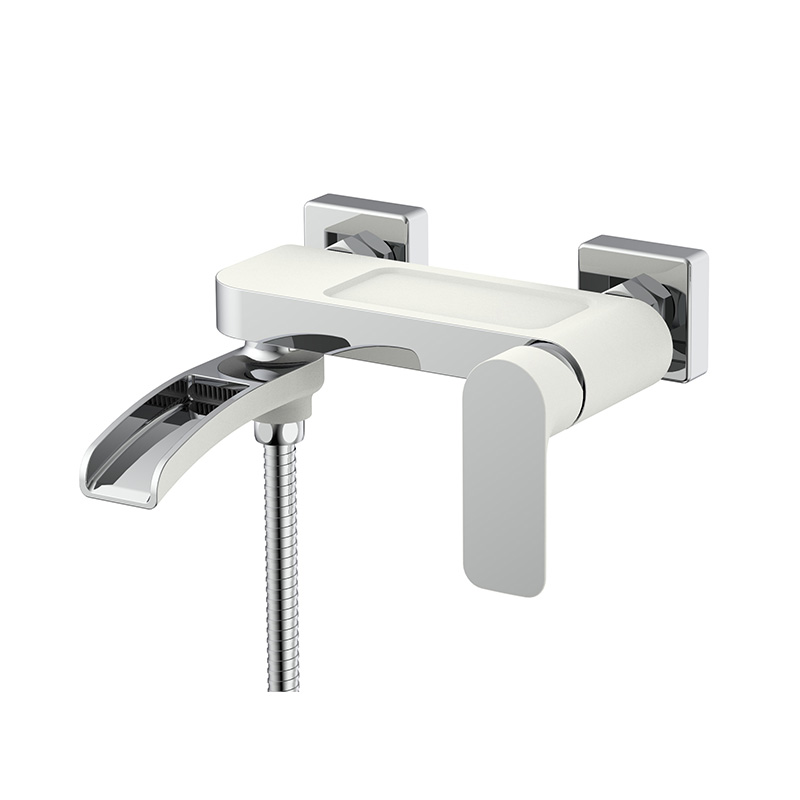
For homeowners looking for a durable and reliable faucet option, DELICA provides bathtub faucets designed with corrosion-resistant bodies, stable flow channels, and precision cartridges. These features help ensure easier installation and long-lasting performance. Explore the full collection here: DELICA Bathtub Faucets.
The following guide breaks the installation down into six well-structured parts, combining paragraphs, bullet points, and a helpful table to make the process clear and accessible.
1. Preparing the Workspace and Turning Off the Water Supply
Before installing a new faucet, creating a safe and organized workspace is essential. The first step is to shut off the bathroom’s water supply to prevent water from flowing during the removal of the old faucet. Once the water is off, opening the bathtub faucet briefly will release any remaining water pressure in the line.
Clearing the working area ensures that installation can proceed smoothly. Remove soaps, bottles, and accessories around the faucet area to prevent accidental drops. Protecting the bathtub surface using a towel or cloth helps avoid scratches caused by tools.
It is also important to gather the required tools in advance. This reduces interruptions once the installation begins. The following items are typically needed:
Adjustable wrench
Screwdriver set
Thread seal (Teflon) tape
Silicone sealant
Cleaning cloth
Utility knife
Preparing the workspace properly prevents complications later and ensures the new DELICA faucet can be installed securely and precisely.
2. Removing the Old Faucet and Inspecting the Plumbing Connection
The removal process varies depending on the faucet style, but most bathtub faucets detach by turning them counterclockwise. If the faucet has been installed for many years, mineral deposits or corrosion may make removal more difficult. Applying steady pressure rather than pulling helps avoid damaging the internal plumbing threads.
Once the old faucet is removed, the interior connection is exposed. This area must be inspected carefully. Check for:
Corrosion on the pipe threads
Cracks or distortion on the plumbing connection
Excessive mineral buildup
Old sealing tape stuck to the threads
Any damaged areas should be repaired before installing the new faucet. A clean and healthy pipe ensures that the new faucet seals properly and operates without leaks. DELICA bathtub faucets are built with solid, well-fitted connectors that match most standard installations, which makes alignment easier.
This inspection step is crucial because it determines the stability and performance of the new faucet.
3. Preparing the Threads and Leveling the Mounting Surface
Proper preparation of the pipe threads ensures a watertight and durable connection. Thread seal tape should be wrapped around the pipe threads in the same direction that the faucet will be tightened. This prevents the tape from unraveling while the faucet is installed.
At the same time, the mounting surface around the wall should be cleaned. Old silicone must be removed carefully to guarantee that the new faucet sits flush, creating a stable and attractive installation.
To help users choose the best sealing approach, the table below compares commonly used sealing materials:
| Sealing Material | Advantages | Suitable For |
|---|---|---|
| Teflon Thread Seal Tape | Easy to apply, highly waterproof | Standard bathtub faucet connections |
| Pipe Joint Compound | Thick seal, high durability | High-pressure or industrial connections |
| Silicone Sealant | Flexible and mold-resistant | Outer faucet base and wall gaps |
A clean surface and properly wrapped threads provide a strong foundation for installing the new DELICA faucet, helping prevent leaks and ensuring a professional finish.
4. Installing the New Faucetet
Once the threads and wall surface are prepared, it is time to install the new faucet. Begin by positioning the faucet onto the pipe and tightening it by hand. This allows you to feel whether the threads catch properly. Cross-threading should be avoided, as it may damage both the pipe and the faucet body.
After the faucet is hand-tightened, a wrench may be used carefully to secure the connection. The faucet should sit level against the wall without tilting or gaps. If the faucet features a diverter mechanism, it should be tested at this stage to confirm smooth operation.
For accurate alignment, consider the following important checks:
Ensure the faucet spout is straight and horizontal
Make sure the faucet base is flush against the wall tile
Check that the handle or diverter moves without friction
Avoid over-tightening to protect the internal structure
Confirm no thread tape is visible after tightening
DELICA bathtub faucets are designed with solid brass bodies and stable mounting surfaces, which help maintain alignment and prevent vibration during daily use.
5. Turning On the Water and Testing for Leaks
Once installation is complete, the water supply can be turned back on slowly. Allowing water to flow gently through the faucet helps reveal any early leaks before pressure increases. If small droplets appear around the connection, turning off the water and tightening the faucet slightly often resolves the issue.
Both hot and cold water must be tested separately. Different waterlines may have different pressure levels, and identifying imbalance early prevents future flow disruptions. For faucets with bath-to-shower diverters, switching modes during testing confirms that all internal channels function correctly.
DELICA faucets use precision-engineered cartridges that maintain consistent flow, making it easier to detect irregularities during testing. Ideally, the faucet should maintain steady pressure, smooth switching, and completely dry pipe threading after installation.
If the faucet passes all tests, the installation is nearly complete.
6. Sealing, Cleaning, and Long-Term Care
The final step in the installation process involves sealing the faucet base, cleaning residue, and ensuring that long-term maintenance is easy to perform. Applying a thin, even line of silicone sealant around the faucet perimeter prevents water from seeping behind the wall. This measure also protects the bathroom structure from hidden moisture damage.
After applying sealant, the faucet should be wiped gently with a clean cloth to remove fingerprints or installation dust. Allow the silicone to cure fully before exposing the faucet to heavy water use.
Maintaining the faucet over time ensures long-lasting performance. Recommended long-term care includes:
Wiping the faucet weekly to prevent mineral stains
Checking the diverter occasionally for smooth movement
Avoiding abrasive cleaners that damage the finish
Monitoring for slow drips that may indicate seal wear
DELICA bathtub faucets are crafted with corrosion-resistant finishes and reinforced cartridges, reducing the frequency of maintenance required. When installed and cared for properly, they offer many years of stable and comfortable use.
Conclusion
Installing a new bathtub faucet is a manageable process when broken down into proper stages: preparing, removing, cleaning, installing, testing, and sealing. Each step contributes to a secure and long-lasting installation. With precise internal components and solid construction, DELICA faucets offer homeowners an easier installation experience and reliable long-term performance.
To explore models ideal for upgrades or full bathroom replacements, visit the full collection here: Bathtub Faucets.