
How Tall Should A Kitchen Faucet Be?
The height of a kitchen faucet may seem like a small detail, but it plays a crucial role in your kitchen’s comfort, functionality, and overall design. From filling tall pots to cleaning large dishes or fitting under cabinets, the faucet height determines how smoothly daily tasks flow. Choosing the wrong size can lead to splashing, awkward ergonomics, or visual imbalance in your kitchen layout.
At DELICA, we manufacture premium kitchen faucets that combine ideal height proportions with elegant design and lasting durability. In this guide, we’ll explore the key factors that determine how tall a kitchen faucet should be, what height fits different sink types, and how to select the perfect model for your home.
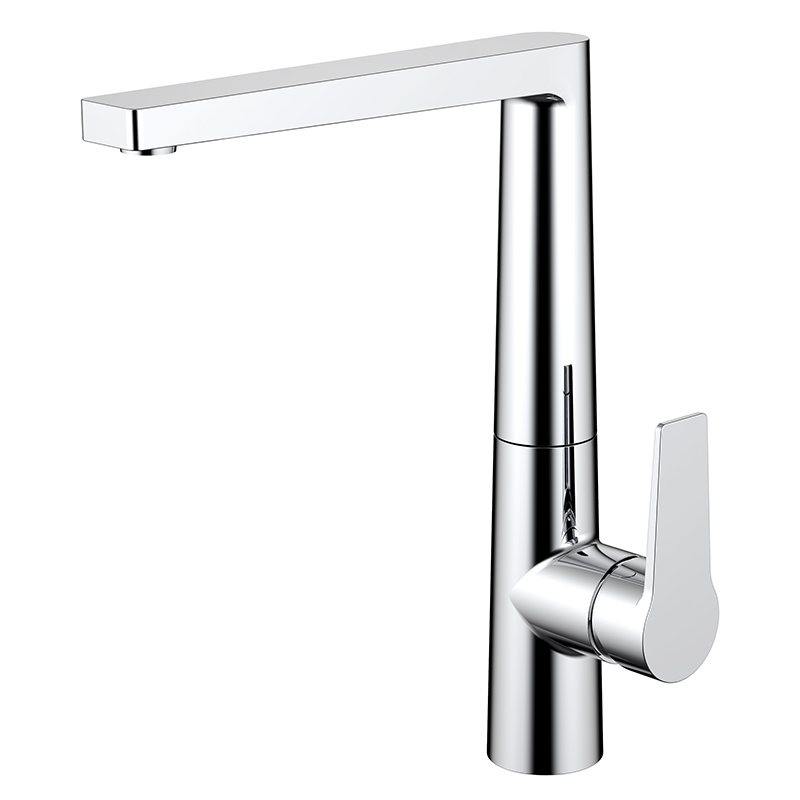
1. Understanding Faucet Height and Its Importance
Faucet height refers to the distance from the base of the faucet to the highest point of the spout. It directly impacts usability, water flow, and how well the faucet fits into your kitchen layout.
Why Faucet Height Matters
Practicality: A faucet that’s too low can make it difficult to wash tall pots, while one that’s too tall can cause excessive splashing.
Design Harmony: The faucet must visually align with your kitchen’s proportions — from sink depth to cabinet clearance.
Ergonomics: Proper height ensures comfortable reach and control, reducing wrist and arm strain during frequent use.
Generally, the right faucet height depends on the sink size, cabinet clearance, and user habits. Standard kitchen faucets range between 8 to 20 inches in height, with higher-arc models offering more workspace flexibility.
DELICA kitchen faucets are engineered in various heights — from compact low-arc models to tall, flexible gooseneck designs — ensuring a perfect fit for both small apartments and large open kitchens.
2. Factors That Determine Ideal Faucet Height
Choosing the correct faucet height involves more than aesthetics. It’s a balance between space limitations and your daily cooking or cleaning routines.
1. Sink Depth
The deeper the sink, the more freedom you have to install a taller faucet without splashing. A shallow sink paired with a high-arc faucet can cause water to hit the basin at a sharp angle, leading to messier cleanup.
| Sink Depth | Recommended Faucet Height | Best Type |
|---|---|---|
| 6–8 inches | 8–12 inches | Low-arc or standard |
| 8–10 inches | 12–16 inches | Mid-arc |
| 10+ inches | 16–20 inches | High-arc or pull-down |
2. Cabinet or Window Clearance
If your sink is placed under a window or beneath overhead cabinets, measure the available vertical space. You’ll need at least 2 inches of clearance above the faucet for comfortable operation and cleaning access.
3. Kitchen Layout
In compact kitchens or minimalist setups, a tall faucet may look oversized. Conversely, in open-plan kitchens with deep sinks or islands, a tall gooseneck faucet creates a striking centerpiece.
4. Functionality
If you frequently wash large pots, baking trays, or fill tall containers, a higher faucet gives you better clearance and flexibility. DELICA’s pull-down faucets combine high clearance with extendable hoses, offering the best of both worlds.
The ideal faucet height is not about one standard measurement — it’s about achieving perfect harmony between space, usability, and personal preference.
3. Types of Kitchen Faucets and Their Height Differences
Kitchen faucets come in various designs, each with unique height characteristics and advantages. Understanding these helps you select a model that aligns with your space and needs.
Low-Arc Faucets
Typically 8–10 inches tall, these faucets are compact and practical for small sinks or areas with overhead restrictions. They’re ideal for kitchens where vertical space is limited but efficiency is essential.
Pros: Minimal splashing, space-saving design.
Cons: Limited clearance for large pots.
Mid-Arc Faucets
Ranging from 12–15 inches, these faucets offer a balance between clearance and control. They work well for most standard sinks and provide enough room for daily tasks without overwhelming the space.
Pros: Balanced proportions, moderate clearance.
Cons: May still limit space for extra-large cookware.
High-Arc Faucets
Also known as gooseneck faucets, these models stand 16–20 inches high and are perfect for large or deep sinks. Their sweeping curve provides generous space underneath for cleaning oversized cookware or filling tall containers.
Pros: Maximum workspace, elegant appearance.
Cons: Can cause splashing in shallow sinks.
DELICA’s kitchen faucet collection includes all three arc types, designed with precision spout engineering to reduce splash even at higher arcs. This ensures a cleaner, quieter washing experience across all kitchen configurations.
4. Matching Faucet Height with Sink and Counter Design
A faucet’s height should visually and functionally complement your sink and countertop. The wrong proportions can disrupt both workflow and aesthetics.
For Single-Bowl Sinks
Single-bowl sinks benefit from mid or high-arc faucets, as they allow greater reach across the entire basin. The higher arc makes it easier to wash bulky cookware without repositioning items constantly.
For Double-Bowl Sinks
A mid-arc pull-out faucet often works best, offering both control and maneuverability between basins. DELICA’s dual-function spout designs allow easy switching between spray and stream, adapting perfectly to multitasking kitchens.
For Farmhouse or Apron Sinks
These sinks typically feature deep basins and exposed fronts, making them ideal for tall gooseneck faucets. The elevated spout complements the rustic aesthetic while maximizing clearance.
For Compact Countertops
In tight kitchens or under low cabinets, a low-arc or side-handle faucet maintains proportion without crowding the backsplash. DELICA’s compact faucet series are crafted for efficiency in smaller spaces, ensuring both style and practicality.
By aligning faucet height with sink depth and layout, you create a cohesive and functional kitchen setup that enhances workflow and design harmony.
5. Aesthetic Considerations and Design Balance
Beyond performance, faucet height contributes significantly to your kitchen’s visual appeal. A well-proportioned faucet creates architectural balance between cabinetry, backsplash, and sink.
Height as a Design Statement
Tall Gooseneck Faucets: Ideal for contemporary or industrial kitchens, offering a sculptural focal point.
Mid-Arc Faucets: Complement transitional or family-style kitchens with their balanced presence.
Low-Profile Faucets: Blend seamlessly into minimalist or compact kitchen designs.
Proportion and Symmetry
The faucet should neither overpower the sink nor appear undersized. As a general rule:
Faucet height should be roughly proportional to 1.5–2 times the sink depth.
The faucet’s spout reach (horizontal distance) should align with the center of the sink bowl for optimal usability.
Finish and Texture
Faucet height also affects how its finish catches light. Taller faucets, especially in brushed nickel or chrome, act as reflective accents, while matte finishes soften the overall tone.
DELICA faucets are available in chrome, matte black, and brushed stainless finishes, each designed to retain luster and resist fingerprints. These finishes maintain aesthetic appeal even with daily use, matching diverse kitchen styles.
Choosing the right height, finish, and shape ensures your faucet enhances the room’s character rather than merely serving a practical role.
6. Finding the Perfect Faucet Height for Your Lifestyle
Ultimately, the “right” faucet height depends on how you use your kitchen. Consider both daily habits and long-term convenience when making your choice.
Cooking Frequency
If you cook daily and handle large cookware, opt for a high-arc pull-down faucet. The extra space simplifies cleaning and filling tasks. DELICA’s ergonomic handles and flexible spouts make these ideal for active home chefs.
Kitchen Layout
For smaller kitchens or rental apartments, a mid-arc faucet offers versatility without clutter. It maintains a sleek look while providing adequate clearance for regular tasks.
Maintenance and Cleaning
Taller faucets are easier to clean around the base but may collect more splashes on the neck. Choosing a spot-resistant finish and smooth contours simplifies maintenance — a feature found in all DELICA stainless steel faucets.
Personal Preference
Some users prefer a bold, tall centerpiece, while others want a discreet, space-saving design. Evaluate your aesthetic priorities and comfort level with water height and reach before deciding.
| User Type | Recommended Faucet Height | Example Design |
|---|---|---|
| Daily Cook | 16–18 inches | High-arc pull-down |
| Family Kitchen | 12–15 inches | Mid-arc swivel |
| Small Apartment | 8–12 inches | Low-arc single handle |
By aligning your faucet choice with your routine, you’ll ensure your kitchen functions efficiently while reflecting your personal taste.
Conclusion
So, how tall should a kitchen faucet be? The answer depends on your sink depth, available space, and how you use your kitchen. A 16–18 inch faucet is perfect for most households, offering balance between clearance and splash control, while smaller or larger spaces may benefit from customized designs.
At DELICA, our kitchen faucets are crafted with precision-engineered heights and spout angles to deliver maximum comfort and style. Whether you need a compact low-arc model for tight spaces or an elegant high-arc faucet for a statement kitchen island, our range ensures a perfect fit for every home.
Explore our collection at DELICA Kitchen Faucet and discover how the right faucet height can transform your kitchen into a space that’s both functional and beautifully balanced.
Previous: What Is A Widespread Faucet?